


Venus Flytrap Dormancy: Winter Care for a Gifted Plant
Venus flytrap dormancy is a normal three to four month winter rest, and it is the number one reason new owners think their plant is dying. Traps turn black, growth stalls and the plant shrinks. Keep it cool, bright and damp with distilled or rainwater, trim only fully black leaves, and fresh traps return in spring.
This is a care guide for a flytrap that just arrived in your home, or one you are about to hand to someone else in December. It covers what dormancy looks like, the medium, water and light a bog plant needs, and a card you can copy.
What carnivorous plant growers need (and can't find locally)
Carnivorous plants such as Venus flytraps, sundews and most pitcher plants grow in bogs. That means nutrient-poor, acidic, constantly damp ground. Ordinary potting soil and tap water slowly kill them. So the gifts that please a grower are the boring-looking basics:
- Peat-free, low-nutrient growing medium, usually sphagnum moss on its own or mixed with perlite or sand.
- Clean water: distilled, reverse osmosis or collected rainwater.
- Pots that hold a water tray, since bog plants like to sit with their feet wet during the growing season.
- Bright light, either a sunny window or a grow light in winter.
Garden centres sell the plants far more often than the supplies, so a collector tends to run short of medium at exactly the wrong moment.
Long-fibre sphagnum: the most useful small gift
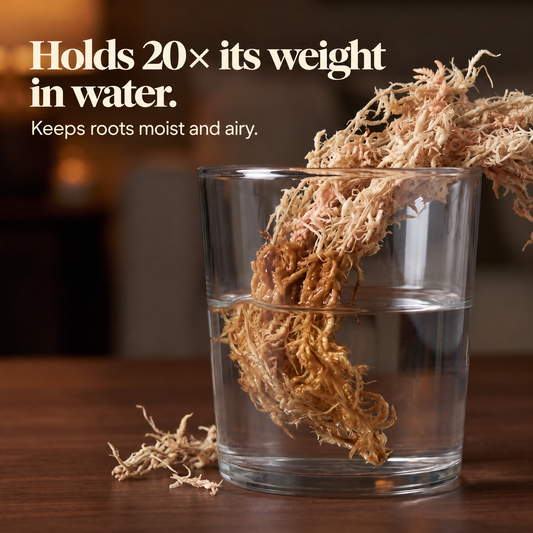
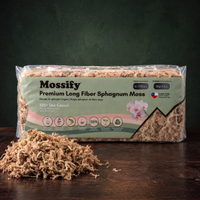
If you only buy one thing, make it sphagnum. Our Premium Long Fiber Sphagnum Moss has fibres 3 to 6 inches (8 to 14 cm) long, comes from the wetlands of Southern Chile, and holds up to 20 times its weight in water. The product page lists carnivorous plants among its uses, alongside orchids, succulents and blueberries.
Here is why growers like it:
- Repotting. Long fibres can be packed around a flytrap's roots without compacting into a brick, so water and air still move through.
- Topdressing. A thin layer over the surface keeps the medium evenly damp and covers any bare spots.
- Low nutrients. Sphagnum is naturally acidic and carries no fertilizer, which is what a bog plant wants.
- Pitcher plant rescue. Pitcher plants that dry out between waterings recover better when their pots are lined with damp sphagnum.
It also does a second job in the house. The same bag handles propagation boxes, which we cover in how to propagate plants in sphagnum moss, and a long list of other jobs in 12 surprising ways to use sphagnum moss. That makes it an easy gift for someone who owns a few carnivores and a few other plants.
A tip for wrapping it as a present: rehydrate nothing. Give the moss dry, in its bag, with a ribbon, and tell the recipient to soak it in distilled or rainwater for a few minutes before use.

If you want to add live moss to the gift, our Growable Moss looks lovely beside a bog planter. Live moss needs shade, acidic soil (about pH 5.0 to 6.0) and regular misting while it establishes, so mention that on the card too.
Pots, trays and tools that suit bog plants
For beginners
- A plastic pot with drainage holes and a deep saucer or tray. Plastic and glazed pots are fine for carnivores. Skip unglazed terracotta, which can leach minerals.
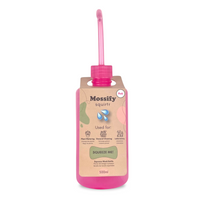
- A watering can or jug reserved for distilled or rainwater, so it never ends up holding tap water or fertilizer.
- A small bag of long-fibre sphagnum plus perlite or sand for the first repotting.
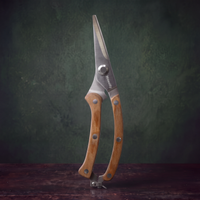
- Long, thin tweezers for lifting out dead leaves and trimming black traps.
For collectors
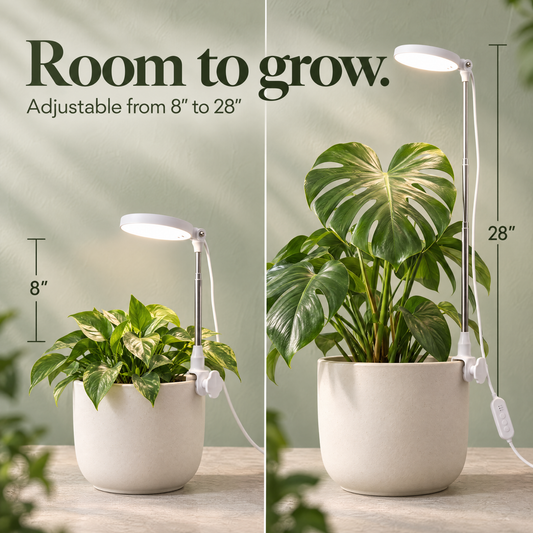
- A grow light for winter. Flytraps and sundews are sun lovers, and a short Canadian winter day is not enough indoors. Our guide to using a grow light covers distance and hours.
- A larger stock of sphagnum, enough for repotting several plants at once in spring.
- A label set and a waterproof marker. Collectors lose track of cultivar names fast.
- A humidity helper for tropical pitcher plants such as Nepenthes. See how to raise humidity for houseplants.

If the giftee also likes small glass-jar landscapes, the moss in a jar can sit on the same shelf as their carnivores. We have more ideas in gifts for terrarium lovers.
A gifted flytrap or pitcher plant: what to tell the recipient
A plant is a lovely gift, but it comes with rules that are not obvious. Put these on a card:
- Water only with distilled, reverse osmosis or rainwater. Tap water has minerals that build up and burn the roots.
- Keep the tray topped up while the plant is growing. Let it dry out a little in dormancy, but never fully.
- Give it the brightest light you have. A south window or a grow light.
- Do not fertilize. The traps feed the plant.
- Do not trigger the traps for fun. Each closing costs the plant energy, and a trap only gets a few uses before it dies.
Winter dormancy: the care note to put in the card
Yes, Venus flytraps go dormant in winter. It is a normal rest period that lasts roughly three to four months, usually from late fall to late winter. New owners who see black traps and a smaller plant often throw it out, so the card matters.
Copy this into your gift card:
This plant is about to nap for the winter. Leaves will blacken and the plant will shrink. That is normal. Trim only fully black leaves. Keep the pot in a cool, bright spot, keep the soil damp but not soaking, and use only distilled or rainwater. No fertilizer, no feeding. Fresh traps return in spring.
Pitcher plants differ. Many temperate species (Sarracenia) also go dormant, while tropical Nepenthes do not and prefer warmth and humidity. If you are not sure which one you bought, check the plant tag, or ask the seller.
Books and reference for collectors
A good species and cultivation guide is a classic gift for a collector, and it pairs well with a bag of sphagnum. Look for a book that covers Venus flytraps, sundews, Sarracenia and Nepenthes, with dormancy notes and growing-medium recipes. Pick one with clear photographs and region-specific advice, since a grower in Canada has different winters from one in Florida. Before you buy, check the publication date: older books are fine for care, but cultivar lists go out of date quickly.
Gifts to avoid
- Plant food or fertilizer. It burns bog plants.
- Standard potting soil or compost. Too rich, and often contains added nutrients.
- Bottled mineral or spring water. Look for distilled, not mineral.
- Live insects, dried bugs or "feeding kits". Plants catch their own food, and too much food rots traps.
- Cheap sealed-dome "terrarium" flytraps. They rarely survive the winter in a closed container.
Give them the moss they run out of
Long-fibre sphagnum for repotting, topdressing and propagation. It is the small gift a carnivorous plant grower actually uses.
Shop sphagnum and raw mossFrequently asked questions
What do you get someone who loves carnivorous plants?
Long-fibre sphagnum moss, a plastic pot with a water tray, distilled water, and a species guide. For a collector, add a grow light for winter.
Is a Venus flytrap a good gift?
Yes, if the recipient gets a care card. It needs distilled or rainwater, bright light and a winter rest. Without those notes it often fails in its first year.
What moss do carnivorous plants need?
Long-fibre sphagnum moss. It is acidic, holds a lot of water and has no added nutrients, which suits bog plants. Use it alone or mixed with perlite or sand.
Do Venus flytraps go dormant in winter?
Yes. They rest for roughly three to four months. Leaves darken and the plant shrinks. Keep it cool, bright and damp, and do not fertilize.
Can I give sphagnum moss as a gift on its own?
Yes. A dry bag of sphagnum with a note to soak it in distilled or rainwater is practical, light to ship and used by growers in every repotting.
Free shipping on orders over $99, a free gift on orders over $150, and we plant a tree with every order.